
Marine Insurance and Its Types

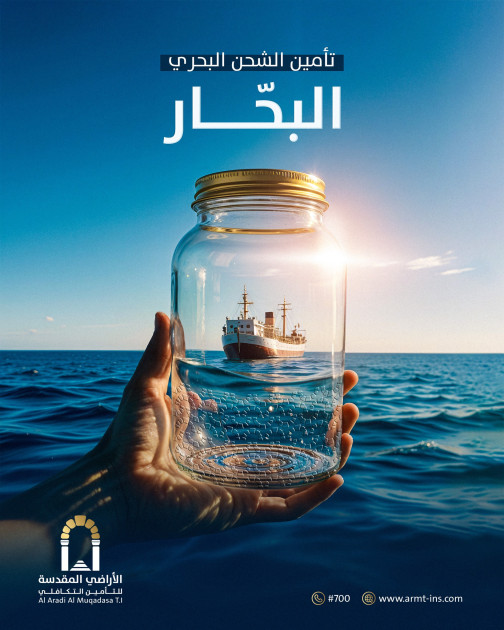
The policyholder or their representative obtains insurance coverage against the risks of loss, damage, liability, or expenses for goods during their transportation by sea, land, or air.
- It covers goods transported from the factory premises until they reach the final consumer’s warehouse.
- It covers theft resulting from a collision or overturn of the vehicle transporting the goods by land.
- It covers goods transported from the factory premises until they reach the final consumer’s warehouse in the importing country.
- It provides the policyholder with peace of mind, knowing that they will not incur direct losses if the goods are damaged or sunk during shipment.
- It helps maintain the customer’s financial position in case their goods are damaged or lost due to any of the risks covered by the policy.
Marine insurance covers a range of risks, such as maritime accidents (like grounding or collision), natural disasters (such as sea storms or hurricanes), theft, fire, leakage, or damage resulting from the unloading of goods.
Factors affecting the cost of marine insurance include the type of goods, the distance traveled, the risk level of the route, the condition of the vessel, as well as weather conditions and the accident rate in that area.
The policyholder must report the incident to the insurance company as soon as possible and submit the required documents, such as shipping documents and a damage report. The company will then review the claim, assess the damages, and proceed with the compensation payment.
The financial limits of coverage depend on the value of the vessel or cargo and the type of coverage selected. The policy specifies the maximum compensation amount in the event of damage or loss.
Purchasing marine insurance requires specific documents such as vessel or cargo details, cargo value, the bill of lading, and documents outlining the shipment details (such as the point of origin and destination).